

The Things MLS Actually Gets Right
How inclusivity, structural risk-taking, and competitive balance are quietly reshaping the league’s future.

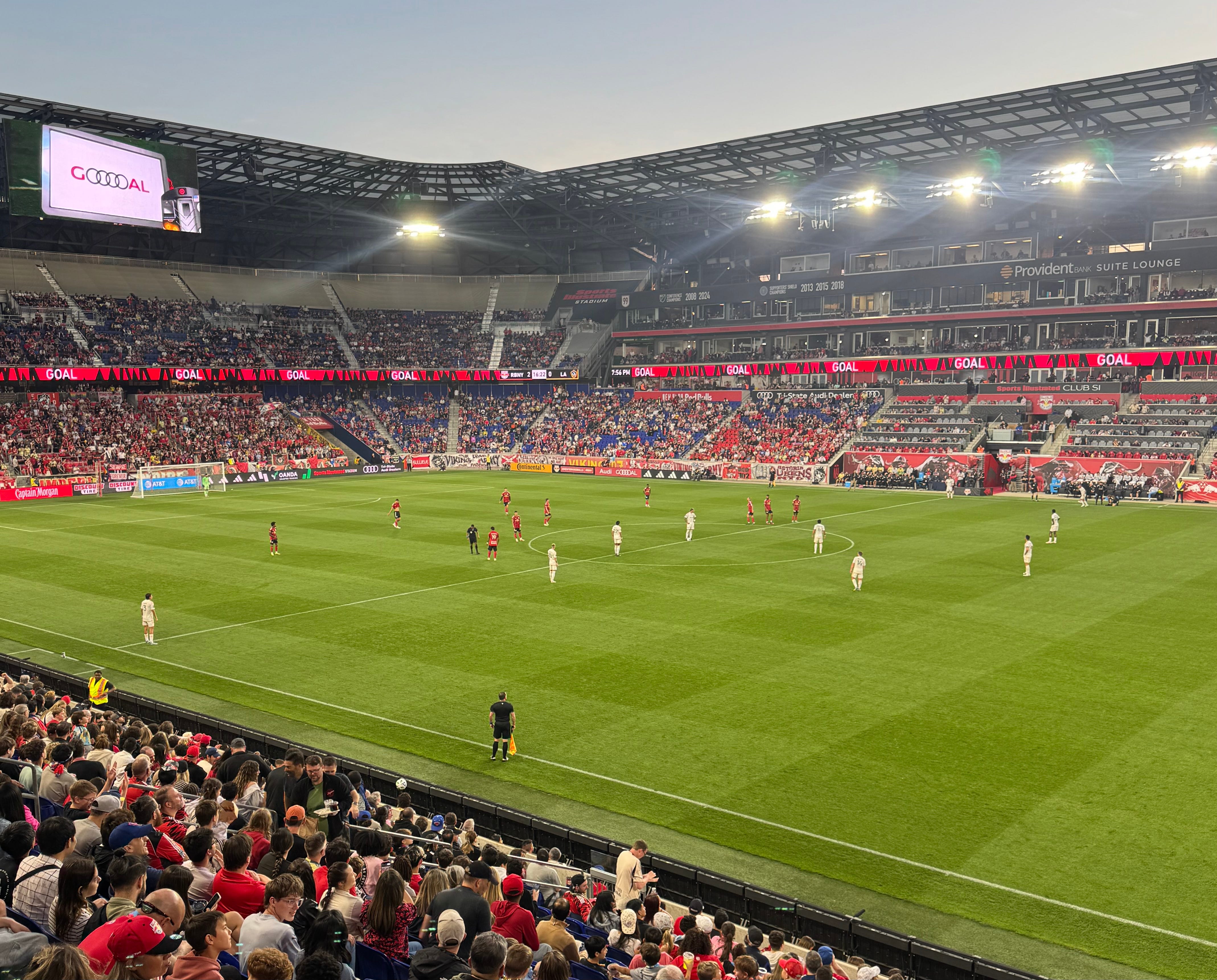
MLS is back. And in honor of the season kicking off this past weekend, I decided to something that might shock some people who know me well:
I’m going to praise it.
Anyone who knows me knows I can be… critical. Some probably call me a euro-snob. Ironically, my husband and I are season ticket holders for the Red Bull New York. So yes, I complain, and then I show up.
Part of my frustration has always been this: why tinker with a sport that already had a global blueprint?
But here’s the thing— MLS isn’t trying to “elsewhere.” It’s trying to work here. And when you look at it through that lens, culturally, structurally, and commercially, there are areas where the league has been far smarter than it’s given credit for. Smarter than I’ve given it credit for.
So instead of rehashing the complaints, here are the things MLS actually does well.

Inclusivity, Community Engagement & Local Branding

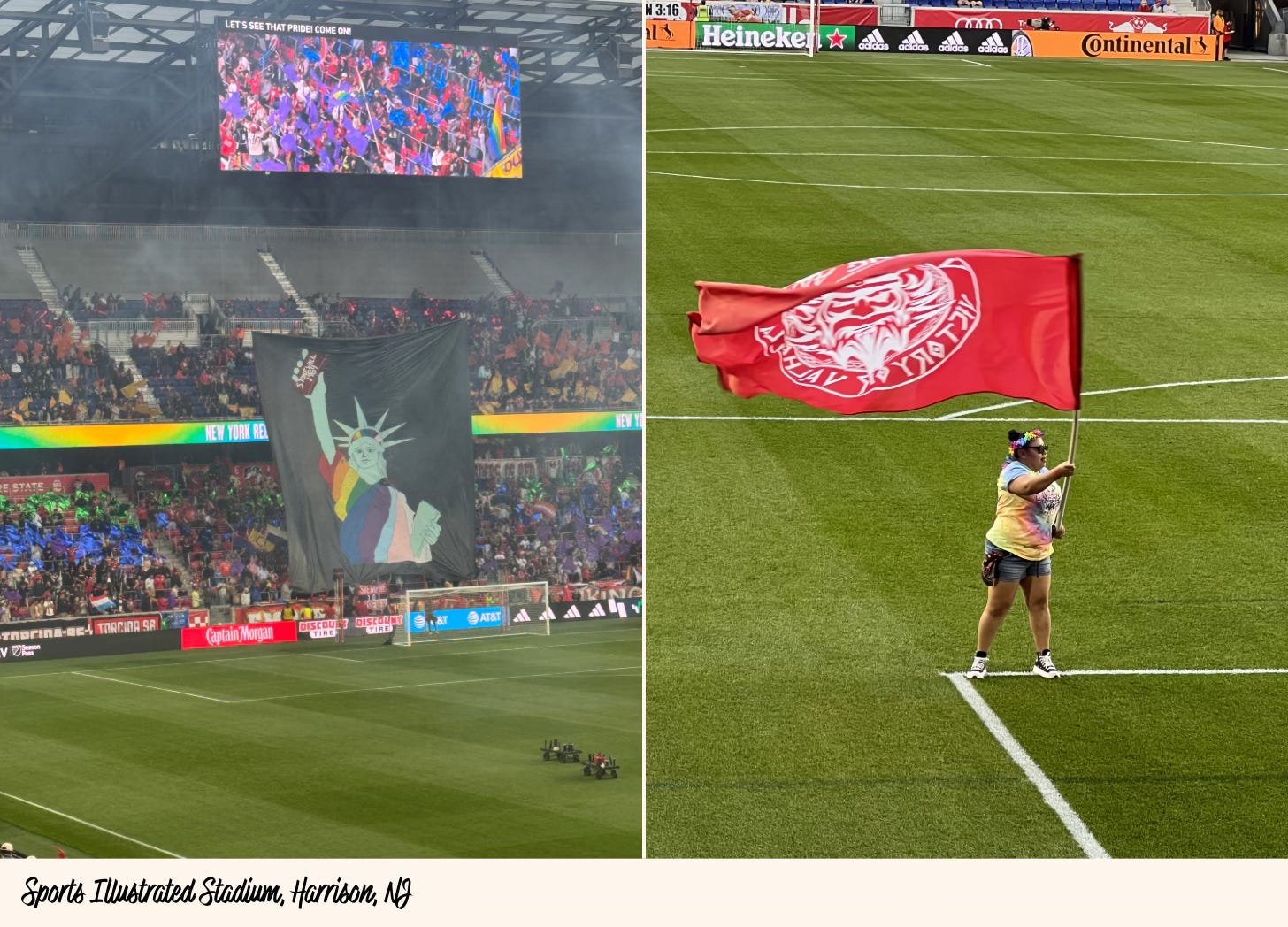
On any given matchday at Sports Illustrated Stadium, you’ll find Gladis Argueta (pictured above) leading chants for Viking Army, one of the official supporters groups for Red Bull New York. Rain or shine, she’s on the rail, energizing the crowd and embodying the culture of MLS fandom.
It’s not an accident that Gladis—a Latina woman— is one of the most visible faces of Red Bull supporter culture. That visibility is the result of intentional groundwork by the MLS and its clubs.
From the beginning, the league existed inside cities shaped by immigration, bilingual households, and various sporting loyalties. Rather than dilute that, clubs leaned into it. In cities like Los Angeles, Houston, and New York, that cultural fluency isn’t optional, it’s essential for success. Whether its bilingual social feeds, heritage nights, or collaboration with local artists, MLS teams reflect the people who actually live there.
That inclusivity extends beyond ethnicity and language. MLS has made visible space for women supporters, LGBTQ+ communities, and other marginalized groups within the fabric of matchday culture. Pride flags aren’t confined to one theme night. Women aren’t treated as guests in supporter sections—they are leaders of supporters groups, podcasters, analysts, and season ticket holders in their own right. In a sport globally known for gatekeeping and machismo, MLS made a deliberate decision to lower barriers to entry.
And when more people feel ownership, more people participate.
The result is a supporter culture that feels distinctly American in the best way possible. The atmosphere at Seattle Sounders FC reflects the Pacific Northwest; Atlanta United built scale by tapping into the city’s swagger; and Austin FC embedded itself in local music and design culture from day one.
Are the atmospheres perfect? No. They’re definitely still evolving. But they are rooted in identity rather than imitation.
MLS understood something subtle: culture cannot be franchised, but it can be fostered.

Willingness to Experiment (Rules, Formats, Competitions)
The structure of the league has long been a point of tension. Even players have criticized it. Jordi Alba, in his first season with Inter Miami FC, openly questioned the playoff format after an early exit. I’ve complained about it too, mostly that I find the qualification process far too easy for teams.
But here’s the context: the United States is geographically massive and structurally different from Europe. A perfectly balanced home-and-away league table isn’t realistic without drastically reducing matches or travel. And in a system without promotion/relegation or multiple continental qualification spots at stake, playoffs create urgency. They manufacture consequence in a closed league system.
More broadly, MLS has never pretended to be tradition-bound. In its early years, that meant awkward experiments that were clear attempts to “Americanize” the sport a bit too aggressively. But even those missteps reveal something important: the league was willing to iterate publicly. It treated itself as a living product inside a crowded US sports ecosystem.
That mindset has matured further as the league has grown.
The recent decision to shift to a summer-to-spring calendar beginning in 2027 may be its most important move in league history. Approved by the Board of Governors and championed by Commissioner Don Garber, the shift aligns MLS with the global football calendar. The 2027/28 season will begin in July, include a midwinter break, and conclude with the MLS Cup in May.
Aligning with global transfer windows allows clubs to buy and sell players more effectively. Summer signings will integrate before a season begins rather than mid-campaign and FIFA international window conflicts will be reduced. This change is the first I’ve seen that moves the league closer to the global game.
The league has also signaled structural changes to the regular season format—potentially including a single table and regional divisions—though the details are still being finalized. If this proceeds as expected, it will be uniquely MLS, and one that perfectly bridges the traditional league structures of the game with the complexities of the American sports landscape.
Whether fans love every tweak (and they certainly won’t) is almost besides the point. MLS sees its structure as adjustable. It understands that its growth depends on balancing American sports expectations with global football realities. That requires experimentation and more importantly, it requires the confidence to change course.
There’s a lesson in that for parts of Europe. Leagues like Ligue 1 and Serie A are navigating real commercial and competitive pressure. This isn’t about adopting an American model, but rather, recognizing that tradition alone doesn’t protect relevance. At some point, adaptation becomes preservation.
If I could make one suggestion to the MLS, it would be to make the playoffs more restrictive and difficult to qualify for.

Salary Cap Parity & Competitive Balance
Perhaps the most quietly effective decision MLS ever made was committing to parity.
The salary cap system, combined with allocation money and the Designated Player rule, has prevented the league from becoming a predictable hierarchy dominated by two or three superclubs. In the MLS, worst-to-first turnarounds are plausible. Smaller-market teams can contend and playoff runs from lower seeds don’t feel impossible.
That parity aligns with American sports expectations. Fans raised on the NFL and NBA expect mechanisms that preserve hope across markets. MLS embraced that model instead of adopting the open-spending stratification common in European leagues. It understood that in the United States, hope is part of the product.
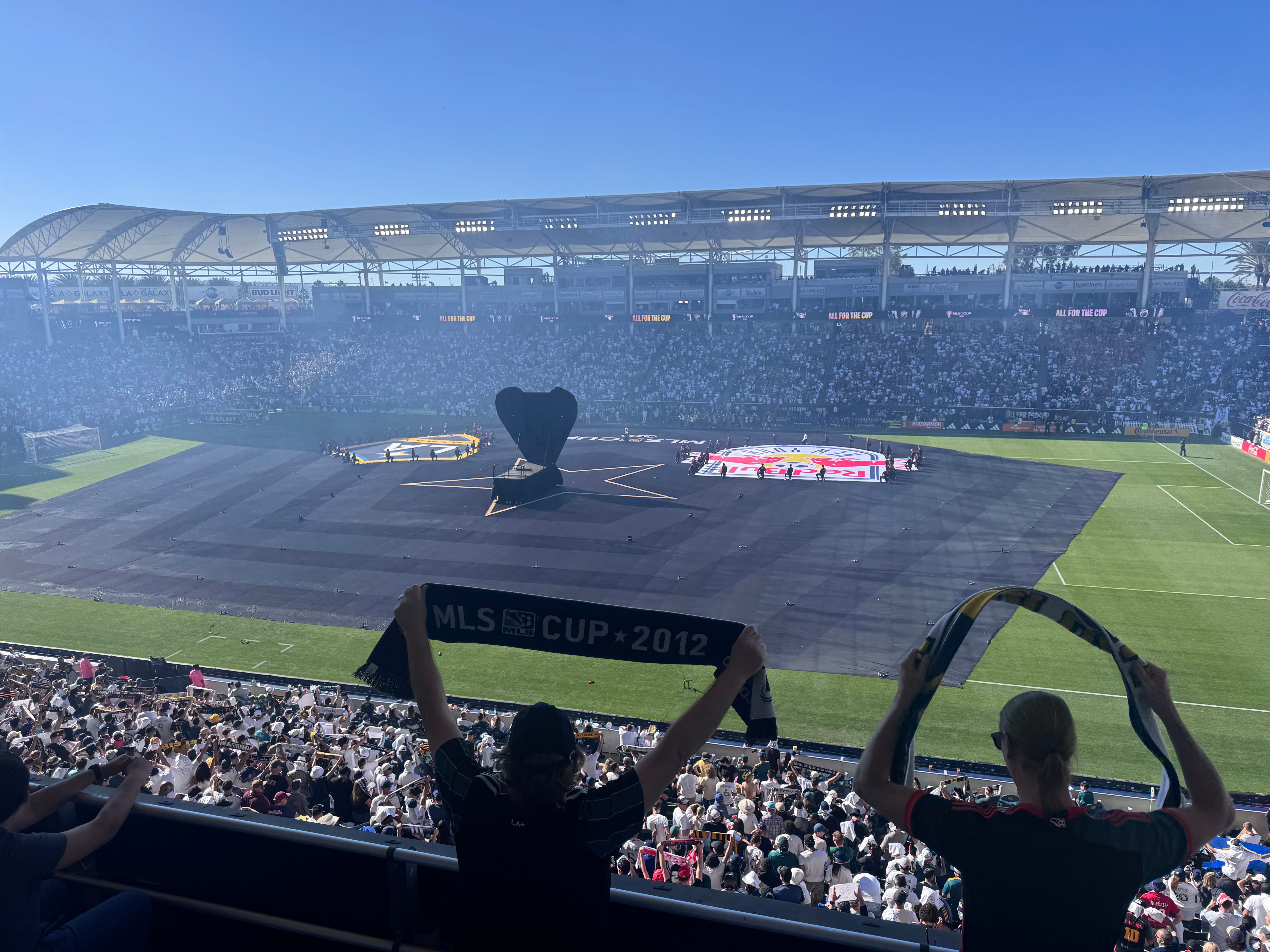
Consider the 2024 season. The Red Bulls finished 7th in the Eastern Conference, were largely inconsistent, and entered the playoffs with modest expectations, especially playing nearly the entire postseason away from home. Yet they made a run to the MLS Cup Final, ultimately falling 2-1 to LA Galaxy.
The result is a league where championship turnover is relatively frequent and a postseason that feels genuinely uncertain. Competitive balance keeps more fanbases engaged deeper into the season and it sustains local investment. In a crowded sports landscape, sustained relevance is survival.
My only critique? The cap will need to rise—and Designated Player flexibility likely expanded—if the MLS wants to fully shed the outdated “retirement league” perception. The league increasingly functions as a development platform and transfer marketplace, if anything.
But the foundation is strong. Competitive balance has given MLS stability—and stability, in American sports business, is currency.

Final Thoughts
You don’t have to watch MLS every weekend to recognize what it represents.
It is a league trying to thread a needle: honoring a global sport while building a distinctly American business model. It has stumbled, it has overcorrected, and it has frustrated purists (myself included).
But it has also built inclusive supporter cultures, embedded itself in local communities, experimented with structural alignment to the global game, and protected competitive balance in a way that keeps more markets invested.
MLS isn’t perfect. It’s evolving.
In a country where global football is still negotiating its place in the mainstream, the league’s greatest point of bravery isn’t that it mirrors Europe, it’s that it understands it doesn’t have to.

I’m using Buy Me a Coffee, so you can support my work if it brings you joy. No pressure, just gratitude. This way, you can enjoy my content for free, and if you’d like to help me keep creating, a small contribution goes a long way!
Think you are being too generous on the salary cap and balance piece. Obviously the arrival of Messi really shifted the way I think about this. Inter Miami bringing in all of those high profile players still doesn't sit right with me and I think the league turned a blind eye to it in order to raise the profile of the lague vs growing the league organically.
I remember taking a trip over the hudson into the Bronx for my first MLS match in 2015. NYCFC’s inaugural season. I still tune in every now and again and welcome the growth we’re seeing! Great read.